Online Exposure

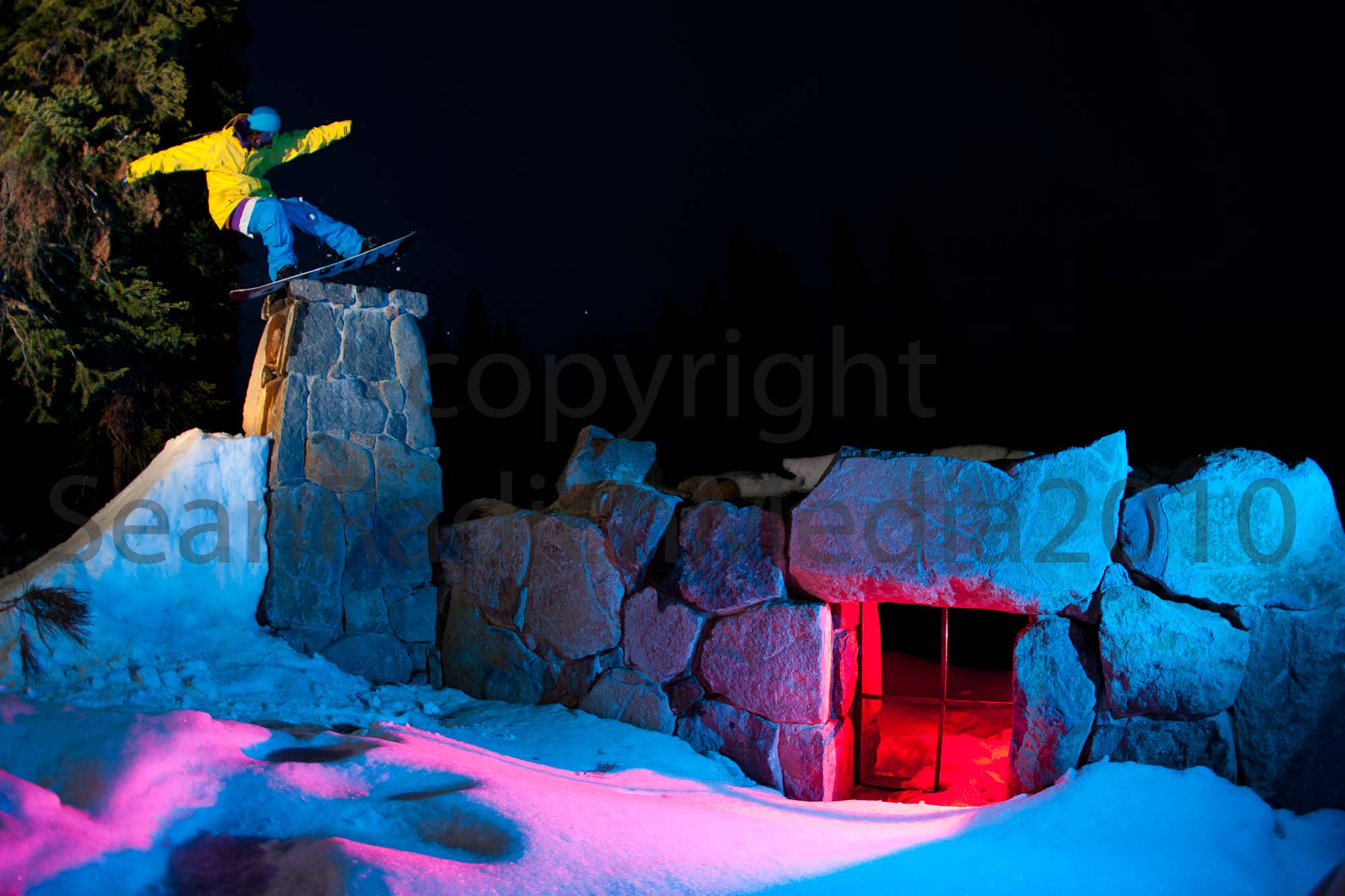
Nitro and Destyn Via’s Darragh Walsh has been getting some good exposure so far this season, most lately with a “Day in the Life of…” on Transfer Magazine’s website. The attached photos are ones are just a few that we took one sunny Spring day up at Northstar. Take a look at the web entry here and make sure you check out the video, which is pretty cool for a fun web edit, put together by fellow Sawmill Heights resident, Corey Turner. Too bad Transfer spelt my surname incorrectly…again!
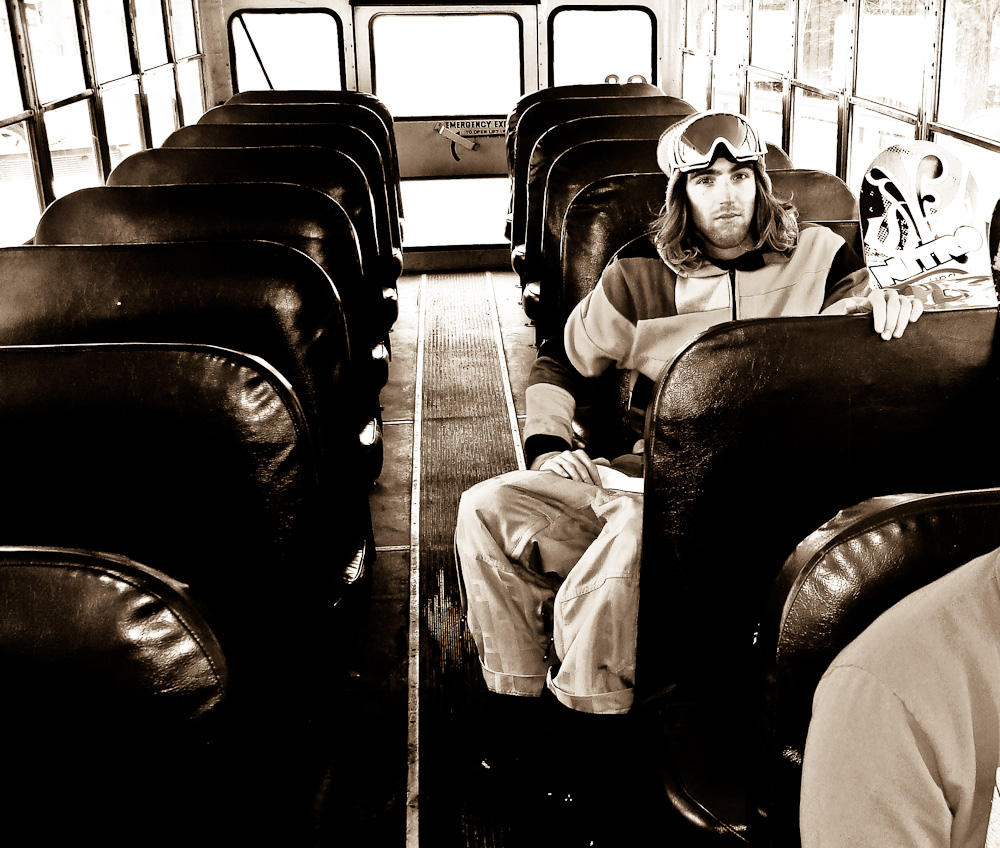
This “Day in the Life of Darragh” was ear marked back in early March, and so I was happy to sacrifice a valuable day of riding when I knew the photos would make it online…and more so as I knew Transfer Magazine normally pay for photos used on their website. For a rider, getting exposure online is a great and simple way to maximise their “name”, brand and sponsors’ support, which in turn should hopefully lead to more (potentially financial) support from sponsors. It seems like everyone’s getting on the blog bandwagon, from Robbie Walker, Ryan Tiene…and even snowboard photographers, as a simple way to get some exposure on the world-wide-web.

But for photographers, videographers, and writers (“journalists” sounds too serious for snowboarding) there is very little future financial pay-off for online exposure, unless a site is willing to pay directly for content. This relates partly back to my previous entry about the value of a photo: because snowboarding (and the like) is such a fun lifestyle, there’s always someone willing to give away their hard-worked digital content for free – they are just stoked to see their creation online. This sort of mentality has helped what is known as the “crapification of everything”, including online publishing, whereby the level of visual content seen on websites (from writing, photos and video) is at a much lower level than you would see in print at the newsagent or on your TV. As Robert Capps says in his original article “The Good Enough Revolution”, with the increased use of new technology, rather than focus on the quality of a product or service:

 “Instead, we’re now focused on three things: ease of use, continuous availability, and low price…We now favor flexibility over high fidelity, convenience over features, quick and dirty over slow and polished. Having it here and now is more important than having it perfect.”

With snowboarding websites, we want to see news and content immediately  when it starts to provide news too slowly it starts to become irrelevant, we could instead buy a paper or pick up a magazine. So I think we are all willing to trade off a bit of online quality for immediacy and importantly, without having to pay for it.

So for this reason, I applaud websites, like Transfer, that are willing to help out seasoned photographers when publishing their content, as hopefully it raises the quality level of content on the web when there is a financial reward. Of course, we all have to start somewhere, and an online magazine is the logical place (outside a blog) to get some recognition. And there’s nothing wrong with volunteering your work to get it online for free when you are starting out, as honestly, it probably isn’t worth being paid for. I guess it’s like work experience. But at some point as you’re career chugs along, you have to take a stand and demand being paid (in one form or another) for your work.

All this made me think back about some of my work that has been published online, some of which I received payment for, and sometimes not.

Boardtheworld.com:
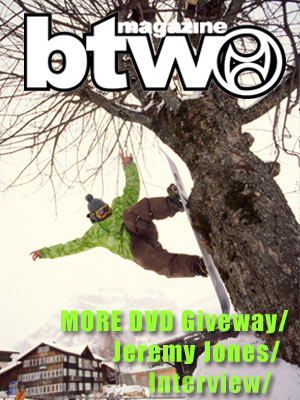
This is the first snowboarding article I ever had published online, for just about the oldest-running snowboard website in the world, operating since 1996. I wrote the competition report when I was completing my Articles of Clerkship on the way to becoming a solicitor back in 2003. Of course I didn’t get any payment for this, but when it turned up in print in Australian Snowboarder Magazine in May 2004 I did…and I was hooked! It came out right before I flew off to a German Alps Spring snowboard camp, Gap Camp, where I met lots of pro riders and photogs, and it helped kickstart my desire not to return to law and instead see where a life in snowboarding might lead. I went on to contribute lots of items for BTW over the years, and Bear and Mouse were great to me, and publishing on Boardtheworld helped give me confidence in my work, an idea of how to write and operate more professionally, and it opened lots of doors for me in the snowboard industry.

Read “BTW Riders Dominate Mtn Dew Shredfest” here.

Ski.com.au:

After my first season at Falls Creek in 2004, Australia’s most popular snow website, ski.com.au, offered me the dream position of On-Mountain Representative at Falls for 2005 after I had piqued their interest with some articles I had sent them. I knew it was too good to be true: I basically got paid to snowboard every day, check the conditions, take a photo and write a report for that day, as well as liaise with ski.com.au advertisers, the resort and other parties…oh, and I got paid more each week than I was earning as a lawyer! The dream job couldn’t last after that season, but it gave me the unrealistic hope that more lucrative snow industry job offers would just appear from the ether. I’m still waiting.

It was hard to find any of my old blog entries or articles, but here is another competition report I put up on the site.

Transworld Snowboarding – 2008 Burton Australian Open:
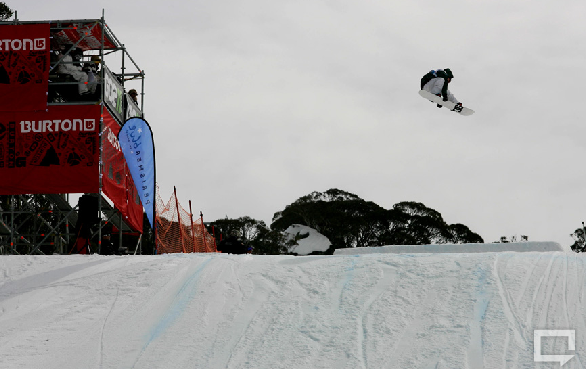
With some persistent hassling I finally made in-roads at the biggest snowboard magazine in the world, Transworld. The Burton Australian Open was on again at Perisher (for the last time we were to discover unfortunately 10 months later) and Transworld wanted some gallery shots for their website, twsnow.com, to go along with the Burton press release and handful of shots by Dan Himbrechts. I think they paid me US$200 for each gallery, slopestyle and halfpipe, which I was happy with for a couple of days work – photos that I would have taken anyway. And fortunately, a couple of the photos also made it into the print magazine during the upcoming Northern Winter. Stoked!

See the halfpipe report here. (The gallery on the slopestyle page has disappeared unfortunately, but above is a photo of winner Torstein Horgmo, which also made it into print.)

Transworld Snowboarding- Oz Regional Report:
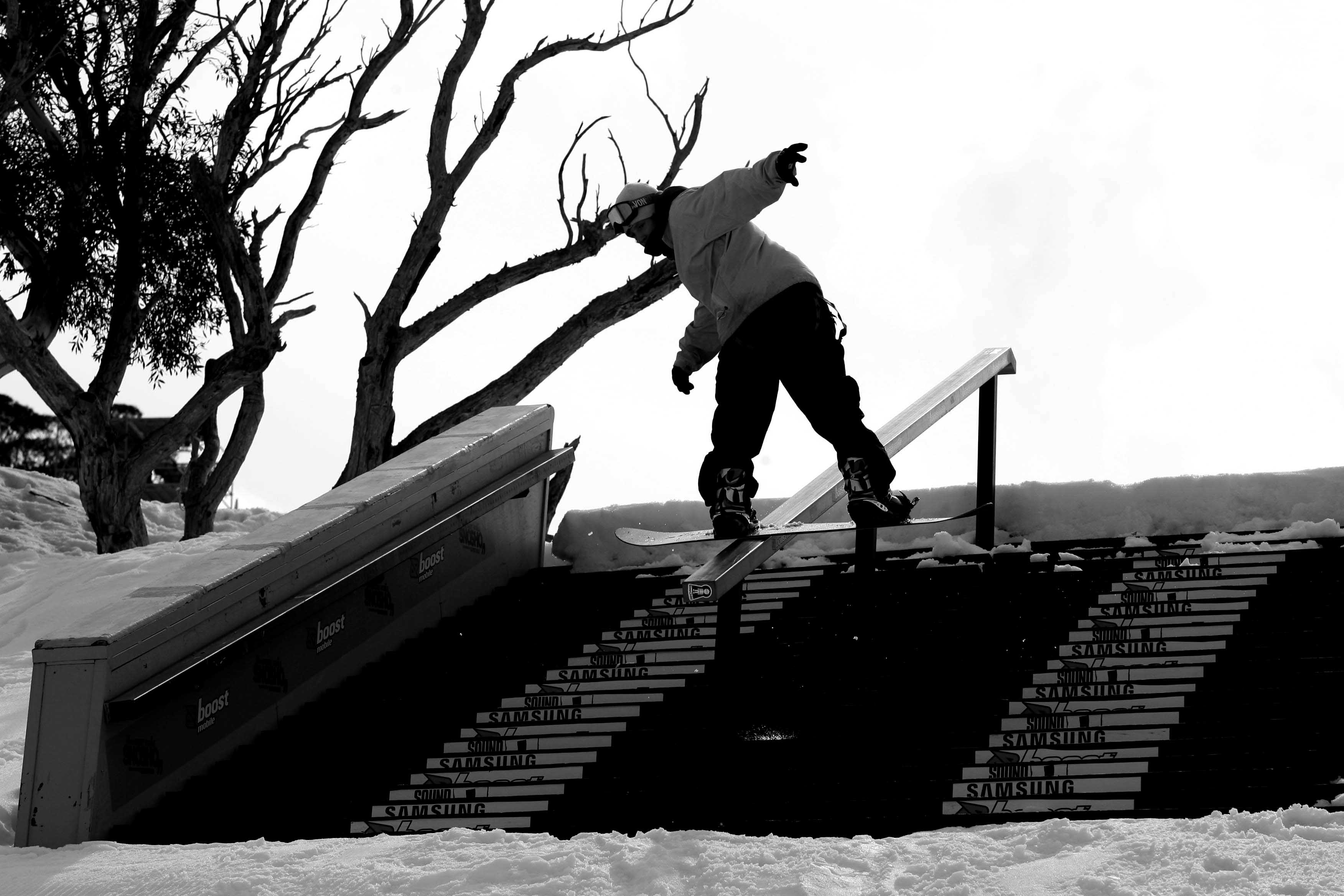
This was something I had been thinking about and proposing to the editors of Transworld for a couple of years, so I was really excited when they told me they wanted a regional report in the magazine. I went to all the main Aussie resorts in 2008 to get some Transworld-worthy photos (well, for a Regional Report anyway), but I don’t think many riders actually believed me when I said I was working on a project for Transworld. A shortened article made it into the last issue of Transworld for 2009, giving some lesser-known Aussie riders some epic international exposure, and I was even featured with a headshot as a contributor in the contents page. I sure felt like I had finally made it, getting some international industry recognition, and even better – I was paid for the print version, as well as for the online post.

Take a look at Transworld’s guide to snowboarding in Australia here.

And if you want to see what content of yours might have been put online without your knowledge, it’s always interesting to google yourself…that’s another problem with online content – but I’ll get into that some other time.
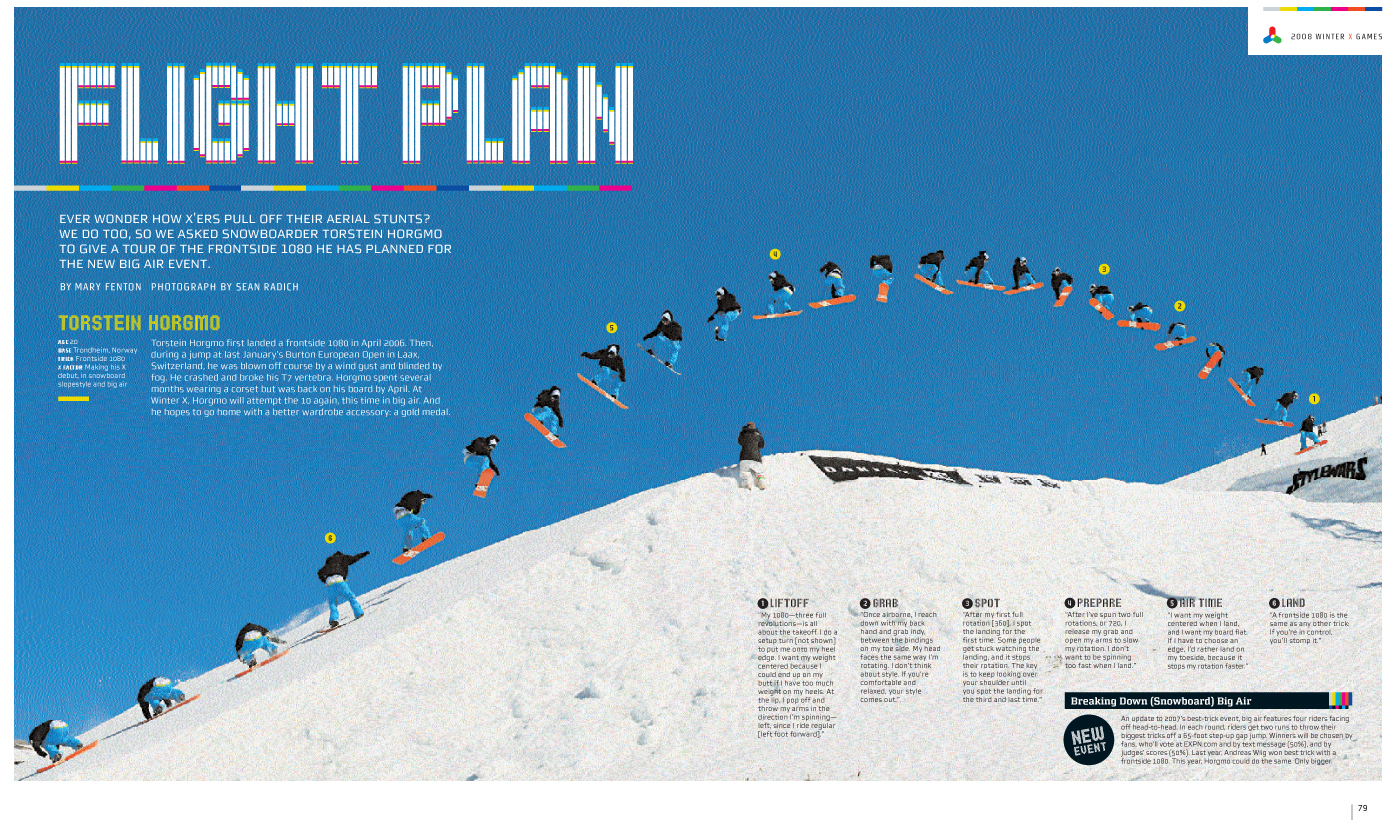
UPDATE: Speaking of googling yourself…I just came upon a lo res layout version of the double-page-spread I had in ESPN: The Magazine for their January 2008 Winter X Games issue. This magazine is similar to Sports Illustrated in the USA, althought perhaps not quite as prestigious, and so I was pretty excited to get a DPS…especially when they paid US$1000 for it too! The Senior Editor of the magazine has some of her work available for download. Take a look here.

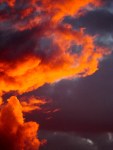
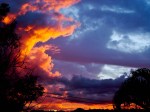
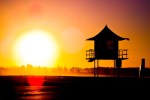
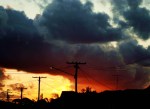
Nature’s Nightly Show

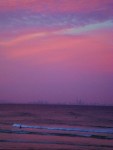
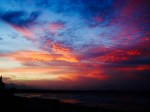
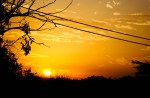
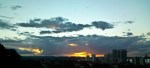
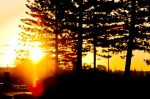
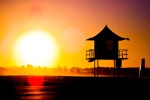
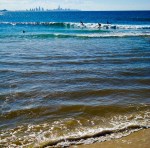
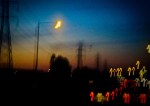
Sunsets still continue to amaze me – the colours and ever changing nature of the light is a truly uplifting sight. I’ve been fortunate enough to spend a lot of time in some really beautiful locations with amazing light, but I think Queensland’s Gold Coast has to get the award for the best sunsets on earth. It must be something to do with the clear azure sea, nearby craggy rainforest mountains and sub-tropical storm zone that provides a nightly overload for the visual senses. Then there is the shrill cry of hundreds of colourful birds finding a roost for the night as the sun dips below the western Hinterland.

Being out in the Southern Gold Coast surf as the sun sets is one thing that everyone should experience at least once in their life: a warm yellow glow illuminating the high rise towers and headlands as dophins breach the water with their fins glistening gold, then soon out across the eastern Pacific Ocean the reflected sky turns a deep shade of violet while the western aspect is aflame with fiery cloud formations over the mountains.

As Clancy of the Overflow might say if he were a surfer:

And the waves hath friends to meet him, and their thund’rous voices greet him

In the murmur of the breezes and the surf on the bars,
And he sees the vision splendid of the sunlit high-rise extended,

And at night the wond’rous glory of the everlasting stars.

Here’s just a few examples of the “visons splendid” I have trid to capture with my little Sony pocket camera.

Bi-Coastal Surf Sessions

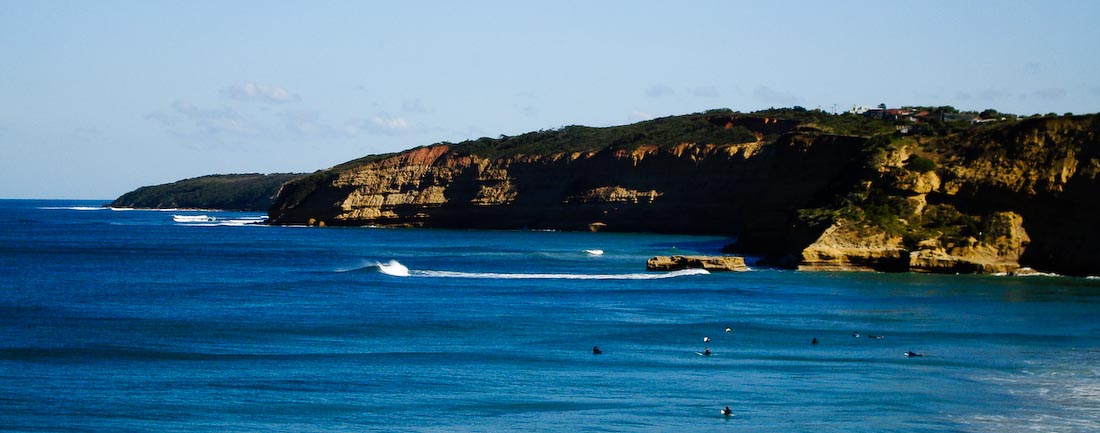
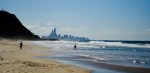
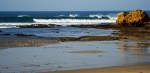
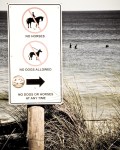
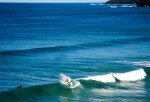
My last weekend in Melbourne was action-packed, helped by a 3 day visit from brother El Rad, who was keen to try the cold waters off the Surf Coast. Fortunately on the Saturday the weather was actually warm and sunny, the water retained a lot of its summer heat and the waves were pretty clean and off-shore. Annoyingly, an amateur surf comp was on at Jan Juc, clogging up the beach, so we headed down the road to 13th Beach, where all we had to dodge was a few horses. Yes, horses. They allow them to gallop along the beach – maybe they were inspired by Old Spice?

We made it back in time to Melbourne to join our cousin James, who’s on dog-mauling injury-leave from his Northern Territory Thunder footy team (see the front-page article here…but which is nothing compared to James’ brother’s wife’s boobs-inspired front page effort! Most popular story on news.com.au. Check it here). I hadn’t been to the football in ages – man it has changed, and not really for the better. But it was good to sit in the new(ish) MCG northern stand, even if it does feel a bit like you going up the escalators to a shopping centre to get to your seats.

El Rad was keen for a bit of a bi-coastal surf mission on monday: the waves were forecast to be all right on Monday morning, and with a 1.30 pm flight back to the Gold Coast he was hoping to hit the waves up north too. We set out well before dawn – it was a nice sight to see the city in the golden morning light, but not really worth giving up a comfortable sleep in and warm bed when the thermometer showed 4 degrees going past Geelong! After a hard-work short session out in heavy overhead waves at Torquay back beach (a couple of dudes were absolutely ripping, almost getting barelled) it was straight to Tiger Airways at Tullamarine for El Rad. Two hours later he walked through the gates at Coolangatta with his carry-on bag, picked up his car and was straight to Currumbin Alley for another hour-long surf till the last light slipped behind the hinterland. It’s pretty epic to be able to get two surf sessions in during one day, basically in two separate oceans and 1800km apart!

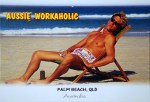
The next day it was my turn – sort of. I flew up to the Goldy, surf board in tow to spend some time in the warmer weather with waves at the front door…not an hour and a half’s drive away. It’s great up here – and pretty relaxed according to the postcards! Unfortunately the bogans over the road have found another piece of junk car to clog the street up with, but their house is on the market so they’ll be moving their infestation along soon I hope. There’d been a huge storm the night before I arrived and couldn’t replicate El Rad’s Currumbin surf – the water coming out the rivermouth was as brown as strong tea! I didn’t want to risk paddling through that, even if it is mostly just silt and leaf tannin, it means there must be all sorts of other chemicals and pesticides washed down from the hills.

As fun as it is up here, it’s going to be tough to handle when the snow starts to fall and the lifts start to run down at Falls Creek – I think that might be my cue to head south again. So take a look at my photos – we caught some great sunsets down south, but really nothing compares to the light and sunsets up here. There’s something about the water, mountains, storms and setting sun that consistently creates the best evening visions of anywhere I’ve ever seen.
Is a photo worth 1000 words…or just $43,000?

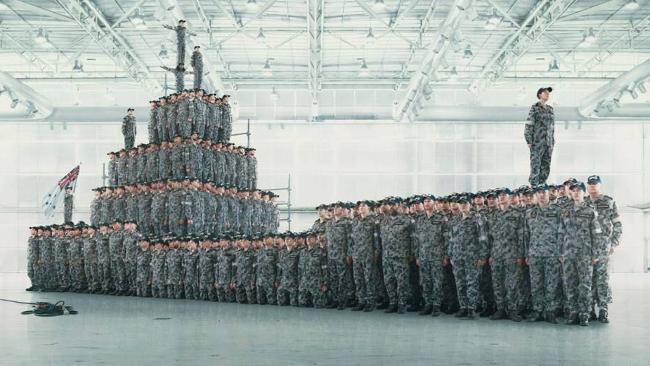
They say a picture is worth a 1000 words, but in this case is a $43,000 picture worth a 1000 new Navy recuits? The Herald Sun had an article about a new recruiting campaign photo commissioned by the Royal Australian Navy using up to 100 sailors in the shape of a warship. And this is costing you, the taxpayer, $43,000 for the photographer’s services, another $11,000 for the accompanying behind-the-scenes video, and there would be unspecified expenses for updating the website, not to mention the $20,000 or so to pay for the sailors 2 days of wages that the shoot occupied.

Here’s the article, and the video and website.

I actually think it’s a novel campaign and a pretty cool photo. But what I found most interesting is that we get to find out how much the “top fashion and advertising photographer” Andreas Smetana charges for a shoot. I wish snowboard photographers made 40 grand a shoot!

But really, why don’t we? Obviously market forces come into play, and the Australian Government has millions to spend on Defence Force recruiting. But from a technical point of view, snowboard photographers work probably harder than anyone else in the world to get a shot. Yep, big call, but think about it. To get a photo to be used in a snowboard ad, we have to fly to either North America or Europe (Aussie photos don’t really cut it anymore, plus the new gear isn’t ready the previous Aussie season), get to a location (either deep in the backcountry via sled, or hike, or some sketchy urban location in the middle of the night, dodging potential trespassing convictions), set up lighting, compose the scene, get the shot (which you might just get one attempt at before the landing is bombed), check that the rider’s style is acceptable and that the gear is visible, then photoshop the end result if needed (for colour correction or dust on the camera sensor). 

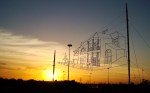
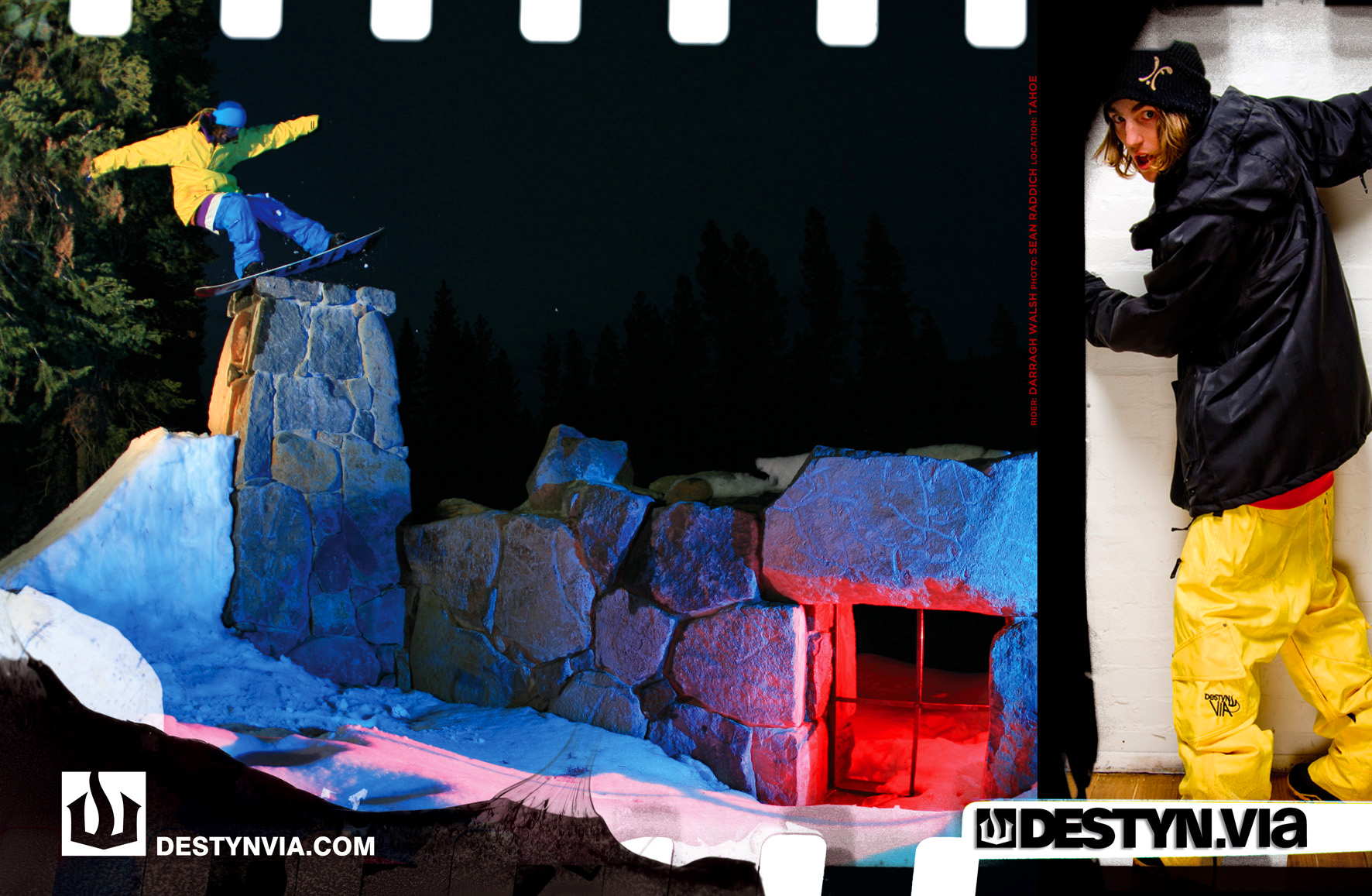
Take for example this shot I took of Darragh Walsh, which was bought by Destyn Via for their advertising campaign. We had shot on this chimney feature already, and showed Destyn Via a preview, but partly because Darragh had forgotten to wear his jacket, we had to go back and shoot it (and also so that I could try to get the dark glow of dusk sky to show the distant trees, instead of a big bob of black in the original). As Destyn Via wanted us to reshoot the image to be expressly used in an advertising campaign, it’s not alot different to a commercial photographer’s assignment…except in what we get paid.

By comparison, Smetana has come up with the unique concept, probably hired the cool white warhouse (or perhaps it is a Defence Force loaner?), executed the shots and Photoshopped the end result. And as far as I can gather, fashion photogs organise the whole shoot, paying for models, makeup artists, assistants and have to get to the location (usually some overseas exotic beach), and they charge an all-encompassing fee to proved Armani (or whoever) a series of finished photos. I wish I knew how much they charged! (Check my previous post about Terry Richardson and his Pirelli 2010 Calendar shoot to get an idea of how it works in fashion).

Unfortunately, in Australia, the market rate for a 12 month unlimited licence for a photo to be used in snowboarding advertising, posters, point-of-sale etc seems to be in the range ot $1000 to $1500. And it’s about half that if the image is bought for just a “once off” use. The situation is even more dire with magazines, who pay $130 for a full page shot! Yep, think of how few shots actually get run full page, and you can start to imagine the level of work you all have to undertake (photog and rider) to get a shot worthy of full, or double-page-spread. And it’s not much better overseas. I was sent the payment rates for Transworld Snowboarding a couple of years ago: Cover – US$900, Double page spread – $250, Full page – $200, and a sequence – 1.5x the listed (size) rate. And of course, you get proportionally less if the shots are smaller than full page.

So if you are an up-and-coming snow photographer, and you’ve sold a photo to a company for less than $1000 you are undervaluing yourself. But worse, you are also undervaluing the whole photographic industry – companies will expect that they can pay a couple hundred bucks for a photo, plus some free gear- you might be stoked to see you shot in print or on a poster, but by underselling yourself you are costing the rest of us who want to do this as a real career and charge higher prices accordingly.

While I inderstand that companies like Destyn Via can’t afford to pay $43,000 for a photo (but Billabong probably could), I’d like to see all the rates (for both private advertising sales and magazine publication) be at least double. Then maybe more photographers could justify the travelling expenses for a season overseas again. This year unfortunately I was just about the only Australian snowboard photographer who spent any length of time overseas to take photos of riders. As far as I can gather, it just got too expensive without the right level of financial return for all the other core photogs. And when companies can fork out $2 G’s  for a piece of paper (ie just a bit of blank space in a magazine to put their logo and photo – it costs on average around $2000 for a advertising spot in a snowboard mag), they should be able to pay more to the guys (and girls) that actually go out and get the shots for them: the rider who risks injury just to wear/use their gear, and the photog who gives them a commercial-grade advertising photo.

I guess all the Aussie snow companies will cry poor (we’re such a small industry, last year was so bad for us, blah blah blah) – but until things start to change, the quality of ads and photos in print will drop away as photographers stop bothering to travel and make the effort to get shots.

Please drop some comments if you have anything to say on this topic. Oh, in case you haven’t seen it yet – here’s the finished advertisement for DV. It came out pretty cool, I reckon.

Melbourne: Get some culture up ya!

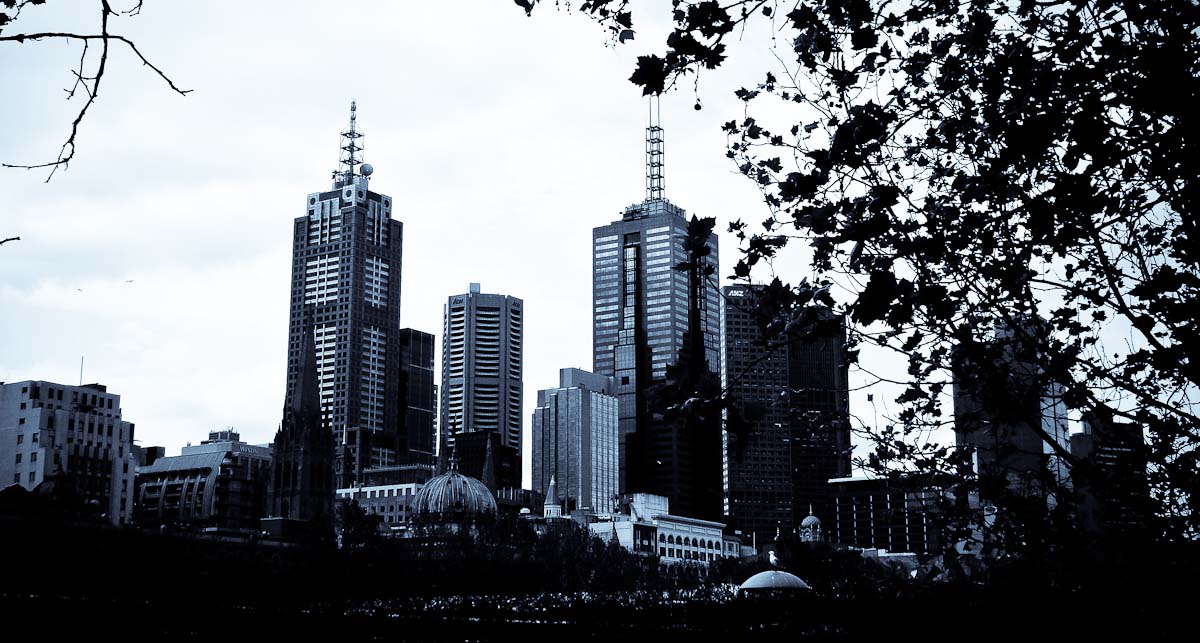
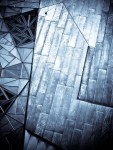
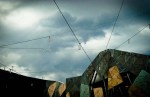
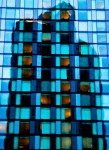
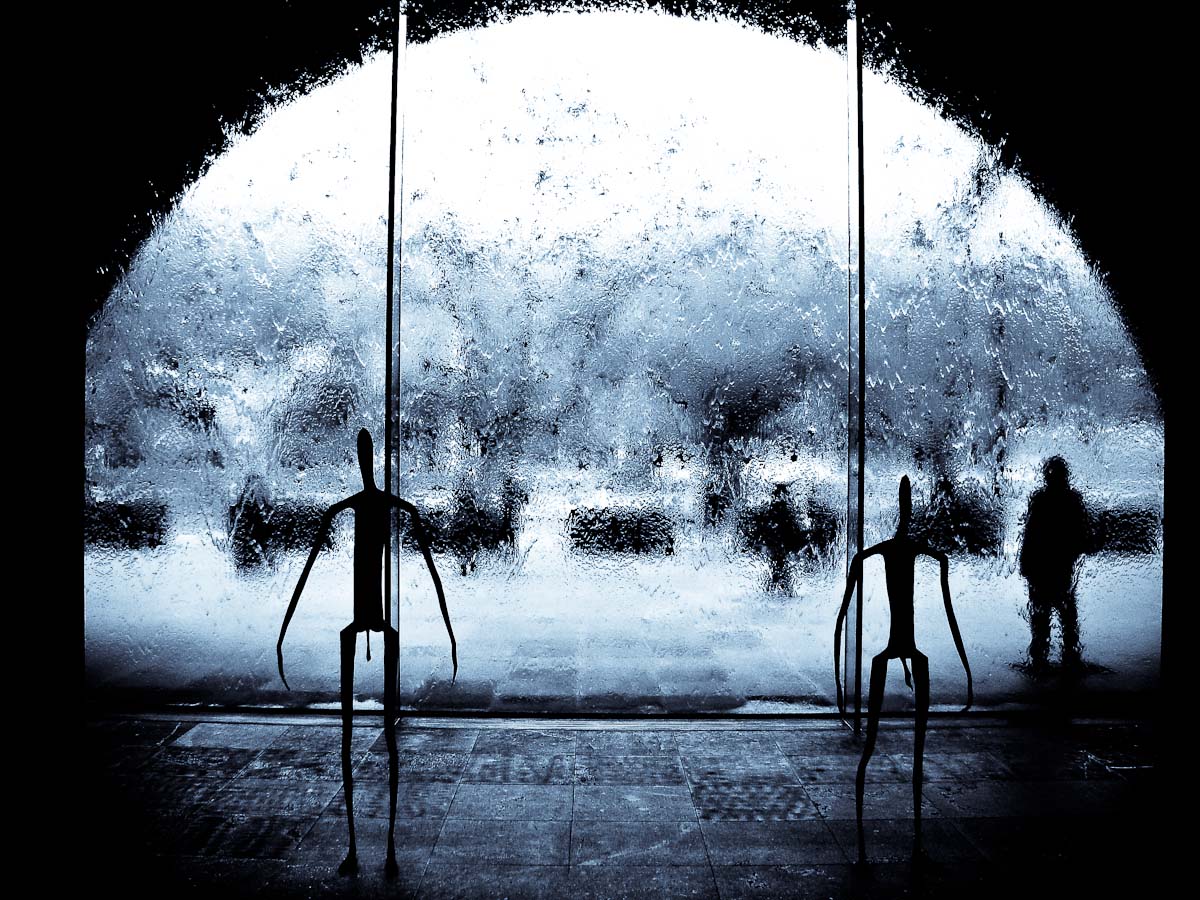
It’s been a change for me being back in Melbourne for Easter, catching the last heat of summer and seeing the pre-autumn city the way I haven’t seen it for more than 5 years. With the first tinges of brown on the leaves and the water still warm down on the Surf Coast, I’m starting to again see some of the attractions of this city.  And with a couple of interesting exhibits on, I thought it was time I headed into town and took a look at my city through the eyes, and lens of a tourist…

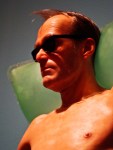
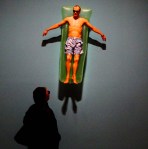
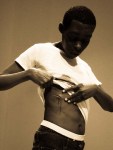
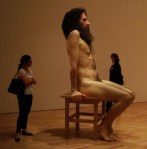
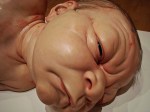
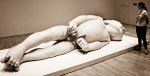
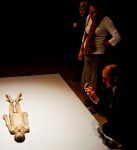
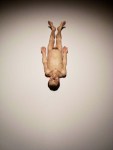
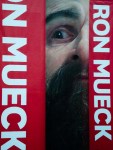
First up was a trip to the NGV International to see the inspirational work by Ron Mueck, with a handy free-entry pass from a school friend Caterina, who now works at NGV. Mueck is an amazing artist, with an ability to capture “life” of a figure in his sculptures not seen since Michaelangelo. It is absolutely mind blowing what he is able to do with some resin, fiberglass, paint and synthetic hair. If it wasn’t for the hyper- and micro- scale of his sculpures you could think that real humans are right in front of you, and their nudity is so life-like and confronting, sometimes you don’t know where to look. His ability to capture the sponginess and detail of skin, complete with moles, wrinkles, goosebumps and hair is a true wonder. It reminded me of the ‘lightness” and deftness of touch Michaelangelo achieved with his Pieta. Yes, the old master was carving out of marble 500 years ago, but I reckon if he was around today he might take inspiration from Mueck and try the equally as solid fiberglass as a medium for his statue to celebrate the city of Florence. Don’t you think that in black and white, and if you added some horns, this face could almost be Moses?

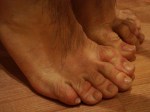
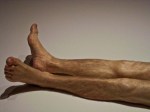
And the great thing about the exhibit is that Mueck wants viewers to be able to take photos of the work. It was great seeing so many people enjoying the sculptures and so amazed by them that they just had to capture a likeness on their iPhone. But from this article in The Age, I guess Myf Warhurst doesn’t share my enthusiasm. Take a look at the detail of these feet – this photo could be of a real person, as you can’t tell they are at least two-times scale.

Unfortunately the NGV Ron Mueck exhibition just ended, but for more information about him click here and here. And here’s an article which goes into Mueck’s actual production of his artworks, showing some photos from start to finish.
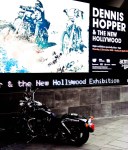
Next on the culture hit was my first visit to ACMI, the Australian Centre for the Moving Image, for Dennis Hopper and the New Hollywood. ACMI is hidden amongst Federation Square and overshadowed by the amazing NGV Australia. ACMI is all about film and TV, and so I wasn’t all that interested in the permanent display, although there are a few cool interactive exhibits, and it might be just about the only place in the world where video games (which you can play on big screens) are heralded as a true artform. Dennis Hopper, as I found out, was much more than the pretentious Hollywood actor who is now warding off life-ending cancer whilst embroiled in a bitter divorce and child custody battle (check out this creepy photo of him and his daughter – Yes! Daughter!) Hopper was part of the LA art scene in the 60’s and onwards, producing some notable photos, assemblages and paintings, as well as writing, directing and starring in Easy Rider, and being a west coast champion for the artworks of Roy Lichtenstein and Andy Warhol.

Unfortunately this exhibition didn’t allow cameras, but I did like Hopper’s super-sized painting reproductions of his photos, as well as his 60’s and 70’s Hollywood photos and large photos of grafitti detail. ACMI is a strangely laid out exhibition space, and with the emphasis on “moving image” the static artworks by Hopper and others was interrupted by video walls playing snippets from Hopper’s movies. So it wasn’t as impressive an exhibition as Ron Mueck, but I certainly learned more about a very interesting Hollywood character and may have even picked up some more inspiration of my own. While I wasn’t fully impressed with Hopper’s work and the collection in general, I don’t think I fully agree with this other article from The Age: I’m glad that Hopper didn’t just stick to his day job and managed to record Hollywood through a lens, and expressed himselves in other way than film. But perhaps the notoriety of his art has had more to do with the clique of famous artists he hung out with, and then with his Hollywood cache, rather than the actual finished works?

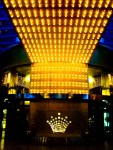
Here’s some info on Dennis Hopper’s various artworks and photography, if you are interested. Otherwise, enjoy my photos from in and around the city and from inside the NGV.